Technology
Why static indoor air quality calculations are no longer enough for modern buildings
A mass balance calculation shows what should happen in a room, not what is happening in it. Why buildings need live, room-level data.

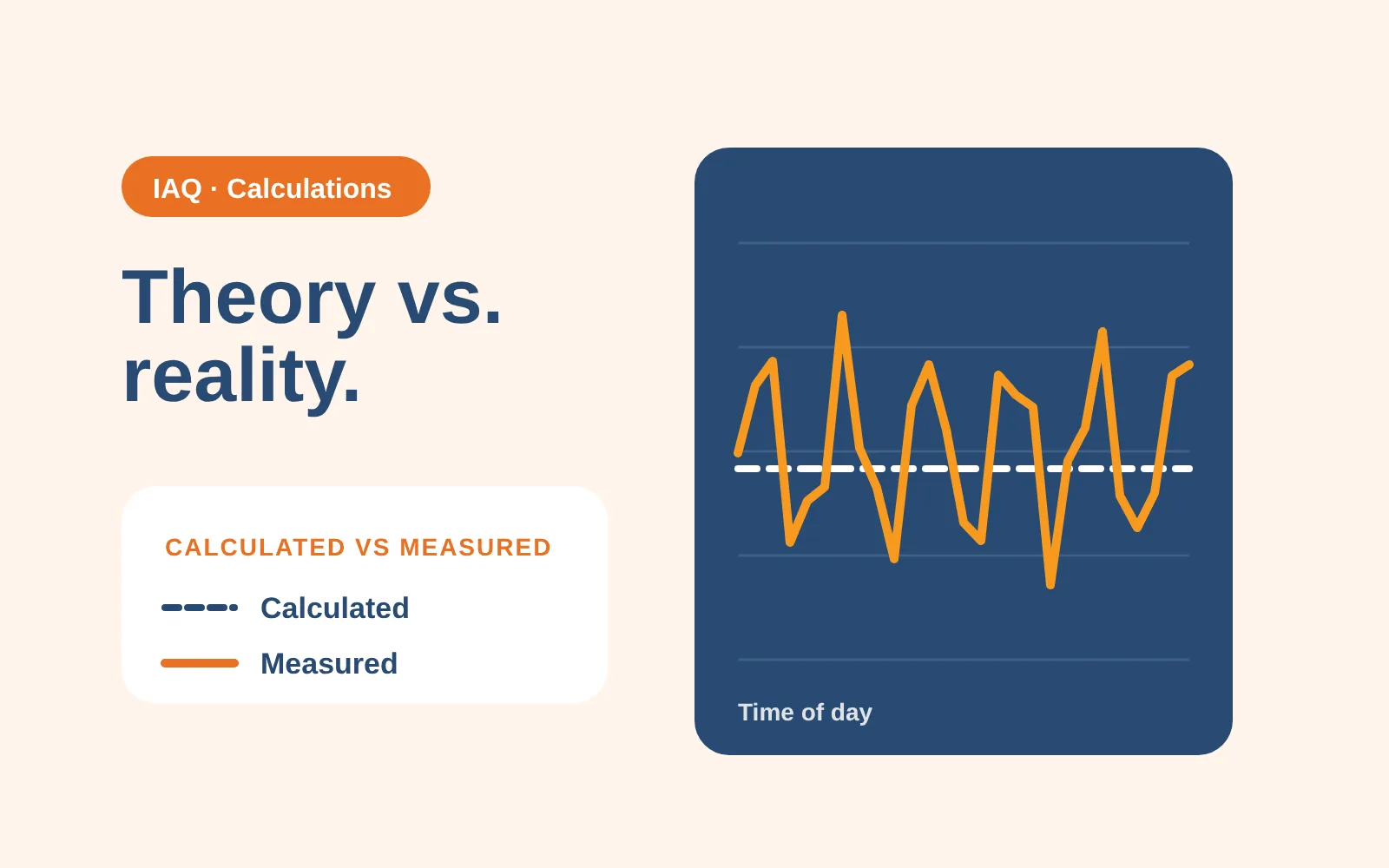
Indoor air quality calculations are a good way to understand a building. They show how pollutant sources, ventilation and filtration decide whether a room stays fresh or turns stale.
The most common method is the mass balance. You compare the pollution generated in a room, or brought in from outside, with what ventilation and filtration remove. That gives you an estimated indoor level.
As an engineering principle it works well. Its weakness is that a building never stands still. Occupancy changes through the day, outdoor pollution rises and falls, filters clog, and ventilation systems often do not do what the drawings say. In the same building one room can be short of fresh air while the next one is over-ventilated and burning energy.
A calculation can explain the theory. It cannot tell you what happened in one particular room last Tuesday afternoon.
What a calculation misses
Fixed assumptions and an occasional measurement leave building teams guessing. To fix a problem they need to see it as it happens, know which room it is in and know what to do about it.
Continuous monitoring at room level shows ventilation problems and odd patterns while they are still small, so a team can step in before complaints pile up and energy goes to waste. Indoor air quality is an operational question, not a reporting exercise. It affects comfort, productivity, maintenance cost and the energy bill. A model shows what should happen under ideal conditions, and measurements show what is happening.
What Nomestic does with it
Nomestic measures temperature, humidity, CO2, TVOC, PM2.5, PM10, light, noise and air pressure in each room. The platform flags rooms that perform badly and rooms that get more ventilation than they need, suggests likely causes, helps the team act and then checks whether the fix worked. In practice that means less unnecessary HVAC runtime and more comfortable rooms.
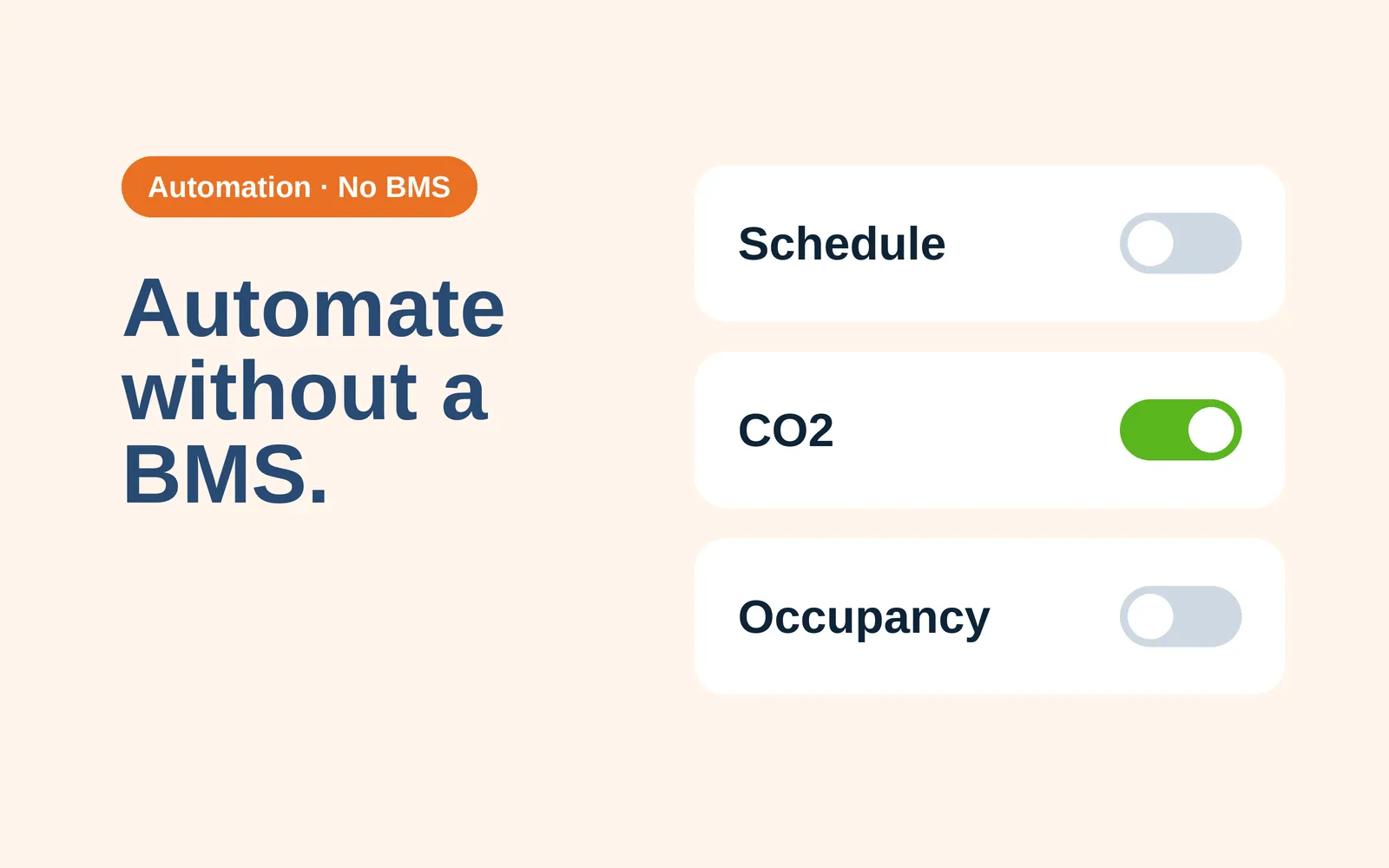
It also runs without BMS integration, so it is quicker to roll out across an existing portfolio. That matters in retrofits, where budget and time are tight.
What changes for a building team
That means fewer comfort complaints, faster fault resolution, proactive maintenance, better evidence for ESG and compliance reporting and reduced HVAC energy consumption.